To understand the wild heart of India, one must look beyond the familiar shadows of the jungle. While the Royal Bengal Tiger remains a symbol of national pride, the true architectural brilliance of the Indian subcontinent lies in its diversity—from the “roof of the world” to the tidal forests that melt into the sea. At Sacred Dot, we curate journeys that celebrate these fragile peripheries, where wildlife and ancient human traditions coexist in a delicate, beautiful dance.
The Ghost of the Peaks: Hemis National Park 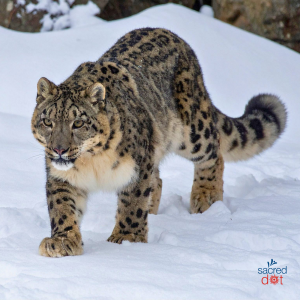
High in the desert of Ladakh, the air is thin, tasting of snow and parched stone. Hemis is not a place for the hurried. Here, the “Conscious Luxury” lies in the patience of the pursuit. To track the Snow Leopard—the “Ghost of the Mountains”—is to engage in a meditative ritual.
The sensory experience here is stark: the crunch of frozen scree underfoot, the biting cold that reddens the cheeks, and the startling warmth of butter tea served by a local Ladakhi host. We partner with local homestays and expert trackers who have transitioned from hunters to protectors. By staying in these high-altitude villages, you aren’t just a tourist; you are a vital part of a conservation economy that ensures the leopard’s survival.
Central India: The Forests of Predators 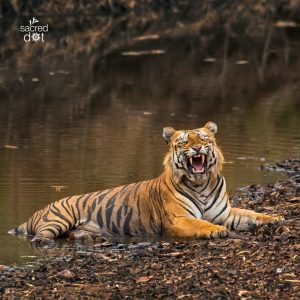
The forests of Bandhavgarh National Park and Tadoba Andhari Tiger Reserve offer some of the highest chances of seeing tigers, driven by density, terrain, and structured safaris.
Bandhavgarh’s Tala and Magadhi zones are compact, with sal forest, grassland clearings, and dense track networks that allow quick response to tiger movement. Tadoba’s drier teak and bamboo forests offer better visibility, with water bodies like Telia Lake concentrating wildlife, especially in peak summer.
Tracking is systematic—guides follow alarm calls from chital and langurs, read fresh pugmarks on roads, and use known territorial ranges to anticipate movement. Early morning drives capture peak activity after night hunts, while evening safaris focus on waterholes.
Sightings here are typically the result of active tracking in predictable landscapes, not chance.
Wetlands & River Systems: Life in Abundance 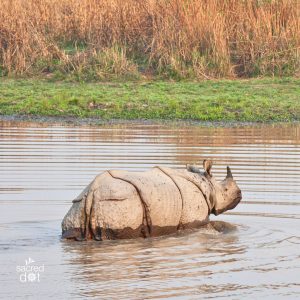
In Kaziranga National Park, the ecosystem shifts again—floodplains and wetlands that support one of the highest densities of wildlife in India.
Rhinos are the highlight, but they are part of a much larger story. Wild buffalo, swamp deer, and elephants move through tall grasses, while birdlife thrives—particularly in winter, when migratory species arrive in large numbers.
This is where birding becomes an experience in itself—not incidental, but central.
Similarly, Corbett National Park offers some of the richest birding in the country. Riverine forests, grasslands, and foothills combine to create an environment where every drive—and every walk—reveals something new.
Arid Landscapes: Survival and Coexistence 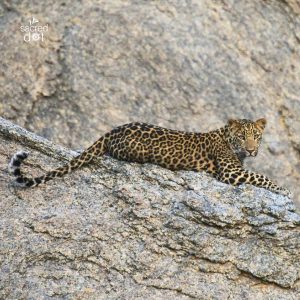
In Bera–Jawai, leopard sightings are among the most consistent in India due to a stable population living across granite hills and scrubland outside protected areas. Leopards use caves within these rock formations for shelter and operate within well-defined territories, making tracking predictable.
What defines this landscape is coexistence. The Rabari community continues pastoral grazing in the same terrain. Leopards do prey on livestock, but retaliation is rare. Cultural acceptance, combined with informal compensation and long-term habituation, sustains this balance.
Safaris run on private land rather than fixed park zones, allowing guides to track known individuals across their territories. Sightings are typically the result of this overlap between human activity and predator movement, not controlled conservation alone.
The Labyrinth of Water: The Sundarbans 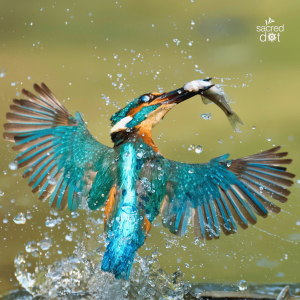
Contrast the alpine heights with the humid, salt-slicked air of the Sundarbans. This is a world of water and shadows, the largest mangrove forest on Earth. Navigating the narrow channels, you feel the forest “breathing” with the tides. The scent is a heady mix of salt, decaying leaf litter, and the faint, sweet aroma of Sundari trees.
While the tigers here are legendary for their swimming prowess, the magic is in the smaller details: the iridescent flash of a Kingfisher, the mudskippers dancing on the shoreline, and the distant call of the honey-gatherers. This ecosystem is a masterclass in resilience. Our journeys here support sustainable boat operations that minimize noise and water pollution, preserving the silence that these apex predators require.
The Shimmering Mirage: The Little Rann of Kutch 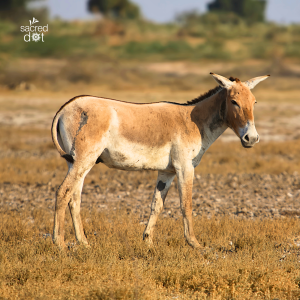
In the western reaches of Gujarat, the earth turns white. The Little Rann of Kutch is a vast, cracked canvas of salt pans that reflects the sun with blinding intensity. It is here that the Khur—the Indian Wild Ass—thrives. These creatures are the embodiment of speed and endurance, galloping across the salt flats like ghosts in a mirage.
The texture of the Rann is unique; the ground crunches like eggshells, and the sunset turns the white expanse into a palette of bruised purples and burnt oranges. Beyond the wildlife, the Rann is home to the Agariyas, the salt farmers who have lived here for centuries. Understanding their labor and their relationship with the seasonal floods is essential to understanding the ecosystem itself.
The Sacred Dot Tip: The Art of the Slow Safari
When exploring these specialized ecosystems, we recommend what we call the “Slow Safari.” Instead of rushing from point A to point B to secure a photograph, spend one full hour in total silence. Whether you are in a hide in Ladakh or on a boat in the Sundarbans, the forest only truly reveals its secrets once it forgets you are there.
A Sacred Connection
Why do we call these journeys “sacred”? Because they remind us of our place in the natural order. From the nomadic tribes of the North to the salt-farmers of the West, the human element is inseparable from the wild. When you travel with Sacred Dot, you aren’t just visiting a landscape; you are honoring the ancient stories and the modern conservation efforts that keep India’s wild heart beating. This is travel as it should be: transformative, respectful, and deeply, soulfully alive.