Travel, for the modern woman, is less about ticking destinations off a list and more about choosing how she wants to feel in a place.
Some trips are about ease—where everything is accessible, well-structured, and flows without effort. Others are about slowing down, taking control of your time, and engaging more deeply with your surroundings. The destination matters, but the way it allows you to move, explore, and exist within it matters more.
Below is a detailed look at destinations that support this way of travelling—places that are immersive, manageable, and aligned with different moods—along with what to do, how to spend your time, and what defines the experience in each.
Muscat — Slow Cultural Discovery 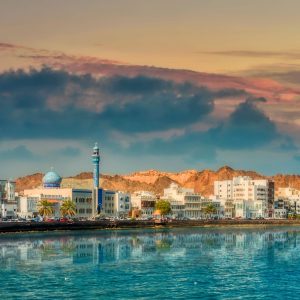
Muscat is best approached slowly. The city doesn’t overwhelm you with options—it opens up gradually, and the experience improves when you don’t rush through it.
Start with the Sultan Qaboos Grand Mosque and go early, ideally soon after opening hours. The morning light brings out the detailing—marble courtyards, intricate arches, and the scale of the prayer hall. Dress modestly (covered shoulders and legs; women will need a headscarf), and allow time to walk through the complex rather than treating it as a quick stop.
From there, move to Mutrah. Walk along the corniche first—it gives you a sense of the city’s relationship with the sea—before entering Mutrah Souq. This is one of the more accessible souqs in the region, with clear pathways and less aggressive selling. Focus on Omani silver jewellery, frankincense (you’ll find different grades and scents), and handwoven textiles. Take your time comparing shops; quality and pricing can vary, but the environment allows for browsing without pressure.
Plan at least one half-day or full-day drive, depending on how much you want to include. Wadi Shab is a popular choice if you’re comfortable with a short hike followed by swimming through clear pools to reach a cave waterfall. It requires basic fitness and planning (good shoes, water, and timing), but it’s one of the more rewarding natural experiences near Muscat. If you prefer something less physical, a coastal drive towards Sur offers equally striking views—white beaches, cliffs, and small fishing towns—without needing to commit to a hike.
For a deeper experience, spend a night in Wahiba Sands. Choose a camp that focuses on smaller groups, good bedding, and a quieter setup rather than large, activity-heavy properties. The experience typically includes a desert drive, sunset over the dunes, and a simple evening under the stars. It’s less about packed itineraries and more about the stillness and scale of the landscape.
Tip: Within Muscat itself, keep your schedule light. The Royal Opera House is worth considering if there’s a performance during your stay, and the Bait Al Zubair Museum offers context on Omani culture without taking too much time. Evenings are best kept open—either at a beachfront restaurant or a quiet café—because the city naturally slows down after sunset.
Doha — Tradition Meets Modernity 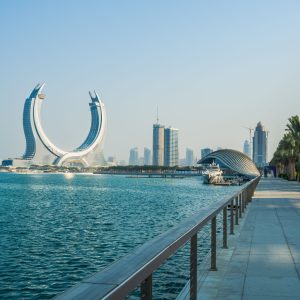
Doha’s most striking feature is how effortlessly it balances tradition and modernity—without feeling fragmented. You move from world-class museums to heritage souqs to contemporary waterfronts within minutes, and the transition feels seamless rather than forced.
Begin with the Museum of Islamic Art, ideally in the morning. Designed by I. M. Pei, the structure itself sets the tone—minimal, geometric, and set against the water. Inside, the collection spans centuries, but the layout allows you to move through it without feeling overwhelmed. Step out into the surrounding park and take a walk along the waterfront promenade for clear views of the skyline.
The National Museum of Qatar is more immersive and requires time. Its design—modelled on a desert rose—houses a series of narrative-driven galleries that move through Qatar’s history, landscape, and cultural identity. It’s less about objects and more about storytelling through sound, film, and installation, so it’s best experienced without rushing.
In the evening, head to Souq Waqif. This is where the city’s energy shifts. The lanes are structured but lively, with sections dedicated to perfumes, textiles, spices, and handicrafts. It’s one of the few places where you can spend hours without a fixed plan—browsing, eating, or simply walking through. Restaurants here are varied and accessible, making it easy to settle in for dinner without prior planning.
For a lighter day, Katara Cultural Village offers a more relaxed, contained experience. Galleries, performance spaces, cafés, and beach access are all within walking distance, allowing you to move between them at your own pace. It’s ideal when you want to do something without committing to a full itinerary.
Tip: If you want to step slightly outside the city, a desert safari adds contrast. Most experiences are well-organised, with options ranging from high-energy dune drives to quieter, more private setups.
Galle — A Coastal Experience on Foot 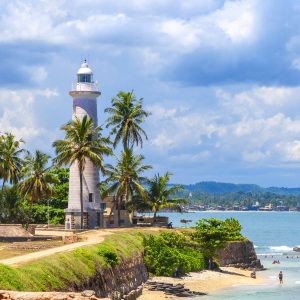
Galle Fort’s most defining feature is its scale—it’s compact enough to walk end to end, and that simplicity shapes the entire experience. You’re not moving between distant attractions; everything unfolds within a contained, coastal grid of streets.
Stay within or just outside the fort to minimise movement. Inside, you’re closer to cafés, boutiques, and the ramparts, but expect heritage buildings with limited modern infrastructure in some cases. Just outside offers slightly more comfort while still keeping everything accessible on foot.
Start early with a walk along the ramparts. This is when the fort feels most open—soft light, fewer people, and uninterrupted views of the ocean. Walk from the lighthouse end towards the main gate, then step into the inner streets as the town begins to open up.
The inner streets are where you’ll spend most of your time. They’re lined with restored colonial buildings housing small boutiques, galleries, and cafés. Focus on independent stores—ceramics, linen clothing, handcrafted jewellery, and small-batch homeware. The curation here is thoughtful, and it’s worth taking time to browse rather than moving quickly between shops.
Cafés and restaurants are central to the experience. Many are set within old villas or courtyards, combining design with food. If you’re travelling in peak season, it’s worth identifying a few places in advance, especially for dinner, as better-known spots tend to fill up. That said, Galle also allows for spontaneity—walking in and staying longer than planned is part of the rhythm.
Afternoons naturally slow down. The heat builds, and the town quiets. This is when you pause—sit at a café, read, or return to your stay. If you want to step out, small galleries and boutique hotels often double as relaxed spaces to spend time in without a fixed agenda.
Evenings bring the fort back to life, but in a controlled way. Walk the streets again, revisit the ramparts for sunset, and settle into a dinner spot without needing to rush. There’s no pressure to “do more”—the experience is complete in its pace.
Tip: If you want slight variation, short drives to nearby beaches like Unawatuna or jungle beach can be added, but many travellers prefer to stay within the fort and lean into its contained, walkable nature.
Colombo — For Markets, Cafés, and Coast 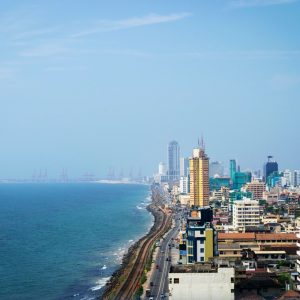
Colombo’s most striking feature is its contrast—it shifts quickly between colonial remnants, local markets, contemporary cafés, and oceanfront spaces. It’s less contained than Galle, which means you need to plan slightly, but it also gives you more range in how you spend your time.
Base yourself in or around Cinnamon Gardens if possible. It’s greener, quieter, and better connected to cafés, galleries, and concept stores. The area also feels more walkable compared to other parts of the city, which helps reduce travel time between stops.
Start your day with something local. Markets like Pettah are chaotic but give you a real sense of Colombo’s pace—spices, fabrics, electronics, and everyday trade all packed into dense lanes. If you prefer something more controlled, smaller neighbourhood markets or fruit stalls offer a softer entry into local life. From there, shift into Colombo’s contemporary side—cafés and brunch spaces that are well-designed, comfortable, and unhurried.
Shopping in Colombo is worth allocating time for. The city has a strong base of independent designers and boutiques focusing on linen, resort wear, handcrafted jewellery, and homeware. Stores are often spread out rather than clustered, so it helps to map a few in advance and group them by area. Quality and design tend to be consistent, making it a good place to pick up pieces that feel specific to the region without being overly traditional.
You can layer in a few cultural stops depending on your interest—spaces like the National Museum or smaller galleries add context without requiring a full day. Colombo works best when you balance these with lighter experiences rather than structuring your day entirely around sightseeing.
Evenings are best spent by the sea. Galle Face Green is informal but gives you a clear sense of the city—locals gathering, street food vendors, and open views of the water. If you want something more structured, choose a restaurant or hotel with a sea view for dinner. The transition from day to evening here is gradual and easy.
Tip: Traffic can slow you down, especially during peak hours, so plan your day by clustering activities within the same area rather than moving back and forth across the city. Colombo rewards this kind of planning—it feels far more manageable when approached in sections.
Leh — For Slow Travel in the Himalayas 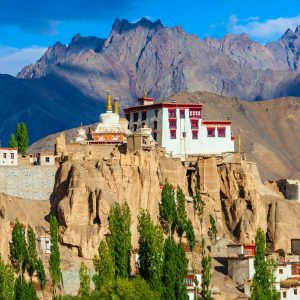
Leh’s most defining feature is its scale—the landscape is vast, stark, and uninterrupted, and that alone shapes how you experience it. Unlike most destinations, you can’t rush into activity here. Altitude, weather, and long distances demand that you slow down and adjust first.
Keep the first 24–48 hours intentionally light. Stay hydrated, eat simple meals, and avoid any physical exertion—even short walks can feel strenuous initially. Choose accommodation that is comfortable and slightly removed from noise, as rest is key in this phase. Avoid the temptation to “start exploring” immediately; it will impact the rest of your trip.
Once acclimatised, structure your days with restraint—one key activity or region per day. Within Leh town, monasteries like Thiksey, Hemis, and Shey can be combined into a single day. Start early to avoid crowds and to experience these spaces when they are quieter and more atmospheric. Allow time to sit, not just visit—monasteries here are as much about stillness as they are about architecture.
For landscapes, plan separate days for Nubra Valley and Pangong Lake. Nubra offers sand dunes, monasteries like Diskit, and a slightly greener, more varied terrain. Pangong, on the other hand, is stark and minimal—the lake and mountains dominate the experience. Both involve long drives, so avoid compressing them into one itinerary. If possible, stay overnight in each region to reduce travel fatigue.
Tip: Within Leh itself, keep time unstructured. Walk through the local market, visit small cafés, and allow space in your day to simply pause. Even these simple activities feel different at this altitude and pace. Weather can shift quickly, and roads can be unpredictable, so build flexibility into your plan. Buffer days are useful—not just for contingencies, but to avoid turning the trip into a rigid schedule.
Rishikesh — For River, Rhythm, and Reset 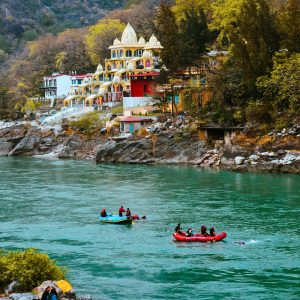
Rishikesh is best experienced by balancing movement with stillness. The Ganges runs through everything here—shaping both the pace of the town and the experiences around it.
Start your day early, ideally by the river. Mornings are quieter, with softer light and fewer people, whether you’re walking along the ghats, attending a yoga session, or simply sitting by the water. The town gradually builds in energy as the day progresses, so beginning early gives you a different side of it.
Rafting is one of the core experiences and worth planning in advance. Choose a stretch based on your comfort level—shorter routes are more relaxed, while longer ones include stronger rapids and take up half a day. Go with a reliable operator, follow safety briefings carefully, and avoid peak heat hours where possible. The experience is not just about the activity—it’s also about the changing landscape along the river.
Beyond that, Rishikesh moves at a slower pace. Walk across Lakshman Jhula or Ram Jhula and spend time exploring the surrounding lanes—cafés, small shops, and ashrams that are easy to step into without a fixed plan. The town doesn’t demand structure; it allows you to move between spaces as you feel.
Evenings centre around the river again. The Ganga Aarti brings people together, but you don’t need to position yourself at the busiest spot—smaller ghats offer a quieter, more reflective experience. After that, settle into a café overlooking the river or return to your stay.
For a deeper experience, consider staying slightly outside the main town, where the river feels closer and the environment quieter. It shifts the trip from activity-led to something more restorative.
Tip: Keep your schedule light. Rishikesh works best when you don’t try to fit everything in—combine one key activity like rafting with open time by the river. The experience comes as much from the pauses as it does from what you do.
Mysuru — For Silk, Sandalwood, and Palaces 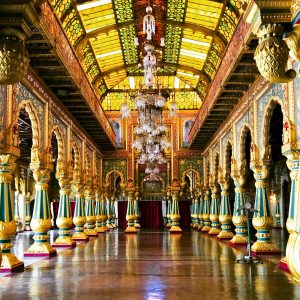
Mysuru is straightforward and easy to navigate, which makes it ideal for a slower, well-paced cultural stop. Begin with Mysore Palace—visit during the day to understand the scale, craftsmanship, and detailing of the interiors, and return in the evening when it’s illuminated. The lighting transforms the space and gives you a very different experience of the same structure.
Shopping in Mysuru is specific and worth planning for. Mysore silk is the highlight—look for government-backed silk showrooms to ensure authenticity, especially if you’re investing in sarees. The weaving is distinct, with rich colours and real zari work. Sandalwood is another key purchase—oils, soaps, and carved artefacts are widely available, but quality varies, so it’s best to buy from established stores. You’ll also find agarbatti (incense), rosewood inlay work, and traditional paintings that reflect the region’s craft legacy. Devaraja Market is best visited in the morning. It’s active but not overwhelming, and offers a clear window into everyday life—flower vendors stringing garlands, piles of turmeric and Kumkum (vermilion), fresh produce, and local incense. It’s also a good place to pick up small, authentic items.
Tip: For a more relaxed cultural experience, spend time at places like the Railway Museum or take a walk through the quieter, tree-lined parts of the city where colonial-era bungalows still stand. Even cafés and local eateries here tend to follow an unhurried rhythm, which adds to the overall pace of the city.
Jaisalmer — For Desert Landscapes and Living Forts 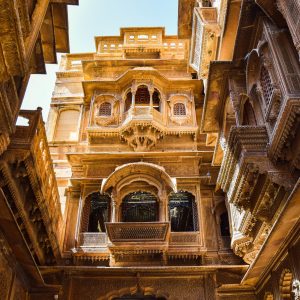
Jaisalmer is split between the fort and the desert, and how you divide your time between the two shapes the experience. Staying within the fort gives you immediate access to havelis, temples, and small cafés, but expect narrow, winding lanes and limited vehicle access—pack light and be comfortable walking. Alternatively, boutique stays just outside the fort offer easier access with views of the skyline.
Begin early inside the fort to avoid both crowds and heat. Visit havelis like Patwon Ki Haveli and Nathmal Ki Haveli for their intricate facades and interior detailing—jharokhas, carvings, and mirror work that reflect the region’s trading history. Jain temples within the fort are also worth visiting for their marble craftsmanship and quiet atmosphere.
The markets are where you’ll spend time if you enjoy browsing. Focus on textiles—hand embroidery, mirror work, and patchwork pieces—as well as leather goods like bags and footwear. Carpets and dhurries are also widely available. Quality varies significantly, so it’s worth taking your time, comparing shops, and asking about origin and materials rather than buying at first glance.
Food and evenings in Jaisalmer are best kept simple—rooftop cafés overlooking the fort or desert-facing restaurants where the setting does most of the work. The pace naturally slows down after sunset.
Tip: For the desert, Sam Sand Dunes is the most accessible, but Khuri offers a quieter alternative with fewer crowds. Choose camps that focus on smaller groups, comfortable tents, and minimal but well-organised activities. A typical experience includes a short camel ride or jeep safari at sunset, followed by dinner and local folk performances. If you prefer a less staged experience, look for camps that limit group entertainment and focus more on the landscape. One night is enough to experience the desert without it feeling repetitive.
Chandigarh — For a City That’s Built Differently 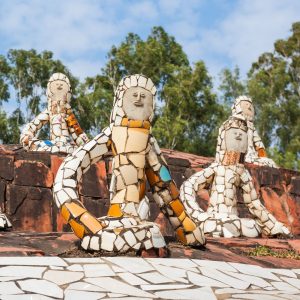
Chandigarh’s most striking feature is its clarity—few cities in India feel this organised and intentional. Designed by Le Corbusier, it functions through a precise grid of sectors, where everything has its place. This structure translates directly into how you experience the city: movement is easy, distances are predictable, and you’re not constantly negotiating chaos.
Start with the Rock Garden and give it time. What appears unconventional at first unfolds into a vast network of pathways, courtyards, and installations created entirely from recycled materials—broken ceramics, tiles, glass, and industrial waste. It’s immersive and unexpectedly detailed, and best experienced without rushing.
From there, move to Sukhna Lake. Early mornings are quieter, with walkers and cyclists setting the tone, while evenings bring a more social energy. The promenade is ideal for a slow walk, and if you want to stay longer, a short boat ride adds to the experience without requiring much planning.
The Capitol Complex reflects the city’s architectural identity at a larger scale. It includes the High Court, Secretariat, and Legislative Assembly, along with the Open Hand Monument. Access can be regulated, so it’s worth planning ahead if you want to go inside. Even from the outside, the geometry and scale make it a worthwhile stop, especially if you have an interest in design or urban planning.
Ella — For Misty Hills and Slow Travel 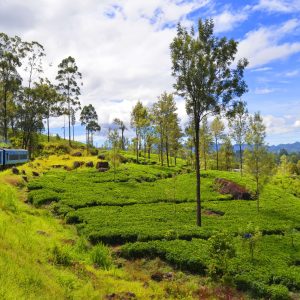
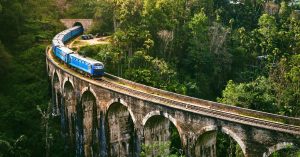
Ella’s most defining feature is the journey into it. The train ride—from Kandy or Nuwara Eliya—is not just transport but a core part of the experience. Book a daytime train and, if possible, a window or door-side seat. The route moves through tea plantations, misty hills, and small stations, setting the tone before you even arrive.
Once in Ella, keep your pace intentionally slow. The town itself is compact, and most experiences are short and manageable without needing heavy planning.
Start early with Little Adam’s Peak. It’s a gradual, well-marked hike that takes about 30–45 minutes one way. Go at sunrise or early morning to avoid both heat and crowds. The views open up across tea estates and valleys, and it’s one of the few hikes that feels rewarding without being physically demanding.
The Nine Arches Bridge is best approached with timing in mind. Check train schedules locally and aim to reach 20–30 minutes before a crossing. You can either walk down through the tracks from Ella town or take a tuk-tuk to the nearest access point. The experience is less about the bridge itself and more about the setting—dense greenery, the curve of the track, and the slow arrival of the train.
Tea experiences are worth adding, but choose one well. Visit a tea factory or plantation where you can understand the process—from leaf to cup—rather than just stopping for photos. It adds context to the landscape you’ve been seeing throughout.
Afternoons in Ella naturally slow down. This is when cafés come in—many are built along ridges or slopes with open views of the hills. It’s less about hopping between places and more about picking one and staying—reading, eating, or just watching the weather shift.
Tip: You can also include Ravana Falls or a short walk to Ella Rock if you want something more active, though Ella Rock requires more time and navigation compared to Little Adam’s Peak. Weather in Ella changes quickly—clear mornings can turn misty or rainy by afternoon—so keep your plans flexible and front-load outdoor activities earlier in the day.
Pokhara — For Lakes and Mountain Views 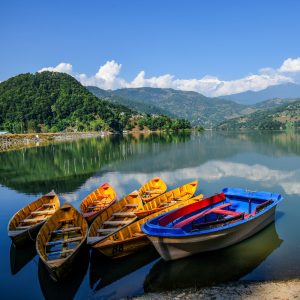
Pokhara is defined by its setting—the Annapurna range on one side and Phewa Lake at its centre. Most travellers base themselves in the Lakeside area, which is the most practical choice. Cafés, restaurants, rental shops, and activity operators are all within walking distance, so you don’t need to plan logistics too tightly.
Start with the lake. An early morning boat ride on Phewa Lake is the best way to experience it—quieter waters, clearer reflections, and fewer people. You can row yourself or hire a boatman. Many rides include a stop at the Tal Barahi Temple on the small island in the middle of the lake, but even without it, the experience is worth doing simply for the views.
Sarangkot is the main viewpoint for sunrise over the Annapurna range. Plan your transport the night before—either a cab or a hotel-arranged vehicle—and leave early to reach before first light. On clear days, the range is sharply visible; on others, cloud cover can obscure it, so keeping a buffer day helps if this is a priority.
If you want to add activity, paragliding is one of Pokhara’s most organised experiences. Flights typically take off from Sarangkot and land near the lake, offering aerial views of both the mountains and the city. Booking through a reliable operator is important, but overall, it’s a smooth and well-managed activity.
Beyond that, Pokhara is about how you choose to spend your time. Walk along the Lakeside stretch, explore cafés with views of the water, or take short excursions to places like Davis Falls or the World Peace Pagoda. None of these require a full day, which allows you to keep your schedule light.
Tip: Pokhara works particularly well after a more physically demanding itinerary—such as trekking—because it offers comfort without disconnecting you from the landscape. The pace is flexible: you can stay active if you want, or do very little without feeling like you’re missing out.
Across these destinations, what stands out is not just where you go, but how easily each place lets you find your own pace. Some are structured and effortless, others slower and more immersive—but all of them give you the space to travel in a way that feels right to you.
And that’s really what travel comes down to—finding what works for you, and leaning into it. When you’re ready, plan your journey with us. Contact us now!