Travel isn’t one fixed idea. It changes depending on who you are, where you are in life, and what you need at that moment. Sometimes you’re drawn to movement and momentum. At other times, what you want most is stillness. Travel can feel joyful or restorative, celebratory or deeply inward-looking.
At Sacred Dot, we see this shift all the time. And that’s why we believe travel matters most when it’s driven by intention—not trends, not checklists, and not borrowed itineraries. There isn’t one correct reason to travel. There are simply meaningful ones.
Travel as a Reward 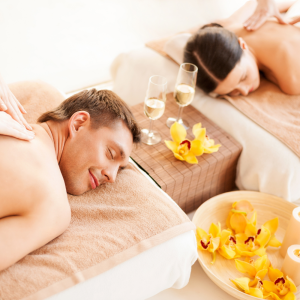
Most rewards are temporary. Travel isn’t. Experiences don’t fade the way things do—they stay with you, and often grow richer over time. So when a journey marks the end of a demanding phase, a personal milestone, or simply a decision to pause, travel becomes a way of recognising that what you’ve put in—time, energy, effort—deserves acknowledgement.
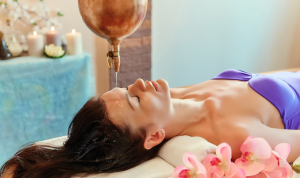
Often, that acknowledgement looks like rest with purpose. You choose a destination centred around a spa or wellness programme, where the day is shaped by treatments, recovery, and unhurried time. Mornings start slowly. Meals are planned around nourishment rather than convenience. Distractions are reduced so both your body and mind can reset.
This isn’t indulgence. It’s a practical response to sustained effort—a way of letting the reward land, instead of moving straight on to the next thing.
Rekindling Relationships 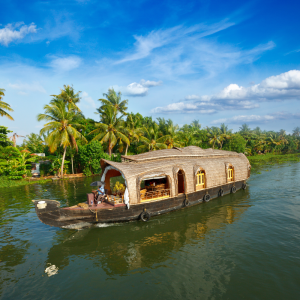
When routine falls away, relationships tend to shift with it. Without schedules to manage or roles to perform, conversations change. Shared travel creates the conditions for reconnection—between partners, families, and friends—without forcing it.
Long-term research, including findings from the Harvard Study of Adult Development, consistently shows that strong relationships are among the greatest contributors to life satisfaction. Travel supports this not through grand gestures, but through time—uninterrupted and unfragmented.
That’s why you choose experiences where togetherness is built into the day. Perhaps it’s a private houseboat journey through the Kerala Backwaters, where movement is slow and shared by default. Mornings begin on deck. Meals happen at the same table. There is nowhere else to be, and no reason to rush. Conversation fills the space that schedules usually occupy.
This isn’t indulgence. It’s acknowledgement—of how rarely time aligns, how easily connection gets postponed, and how relationships strengthen when attention is given without interruption.
Discovering What You Truly Value 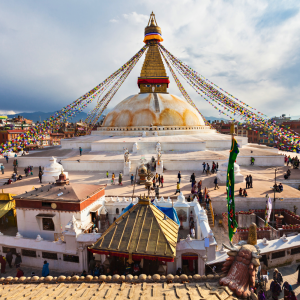
Distance has a way of clarifying things. Stepping away from the familiar reveals what you actually value—comfort, simplicity, silence, or time itself. Travel recalibrates priorities by removing the noise that usually surrounds them.
In the Kathmandu Valley, you’re exposed to parallel ways of living. Life functions differently, but it functions. That comparison allows you to reassess urgency, risk, and importance in your own life. Clarity doesn’t come from escape here—it comes from contrast.
This is why slower, more intentional journeys tend to leave a deeper mark than rushed itineraries. They give you enough space to notice what matters—and what doesn’t.
Creating Memories 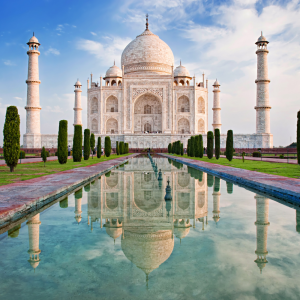
Photographs capture appearances. Meaning comes from presence. Standing somewhere yourself—feeling the climate, noticing how the day unfolds, absorbing small details—creates memories that don’t translate through screens or second-hand accounts.
At the Taj Mahal, many visitors arrive believing they already know what they’re about to see. The form is familiar from images. What isn’t familiar is the scale, the proportion, and the physical presence of it. Standing there changes the experience. Some people fall quiet. Some are visibly moved. Others register an emotional response they didn’t anticipate.
That reaction can’t be reproduced through photographs or descriptions. It only occurs when you’re physically present, responding in your own way to what’s in front of you. Over time, these moments become reference points—shaping how you remember, reflect, and understand yourself.
Learning — and Unlearning 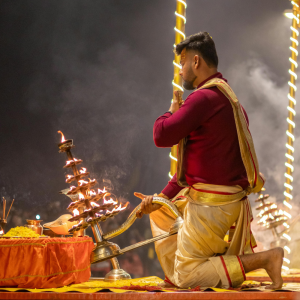
Travel teaches without instruction. New cultures, cuisines, languages, and customs expand understanding naturally. Just as importantly, travel challenges what you think you already know.
In Varanasi or Anuradhapura, religious life is experienced as it is lived, but not without context. Knowledgeable guides and local practitioners take the effort to explain the significance of rituals as they unfold, offering historical and cultural grounding rather than surface-level commentary. In many moments, you are invited to participate respectfully, not as an observer on the margins but as someone included.
This kind of exposure doesn’t deliver neat conclusions. It changes how you engage—slowing judgement, deepening understanding, and replacing assumption with informed context. This is why culturally immersive journeys are increasingly valued over surface-level sightseeing.
Building Quiet Confidence 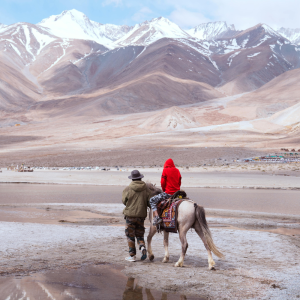
Navigating unfamiliar environments builds confidence without announcing itself. You adapt to new rhythms, manage uncertainty, and respond to situations as they arise. There’s no performance involved.
In Ladakh or Oman’s wadis, conditions—not convenience—set the pace. Plans adjust. Comfort fluctuates. You respond rather than control. What you gain isn’t excitement or bravado, but capability—the understanding that you can function well outside familiar systems. You return not just rested, but more competent.
Gaining Perspective 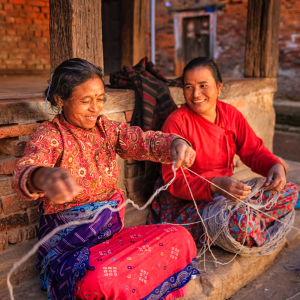
A change in surroundings has a way of resizing problems. Travel doesn’t remove challenges, but it reframes them by placing them within a wider context.
Spending time in the Bhaktapur—moving between living temples, medieval squares, and everyday neighbourhoods—you see how history, faith, and daily life coexist. Your concerns don’t disappear, but they stop feeling singular or absolute. Stepping away doesn’t solve things for you; it gives you enough distance to assess them more clearly.
Perspective emerges not from distance alone, but from comparison.
Reconnecting With Nature 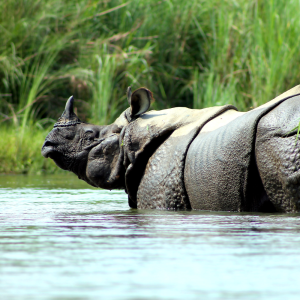
Nature-led journeys strip life back to essentials. Mountains, forests, rivers, and coastlines create conditions where constant stimulation falls away. Increasingly, travellers are seeking these slower, quieter experiences because they restore balance rather than overwhelm it.
You wake to forest sounds in Kaziranga or beside the river in Chitwan. Your day follows light, weather, and instinct—not notifications. In that simplicity, you’re reminded how stable life can feel when it isn’t overcrowded.
Finding Belonging Beyond Borders 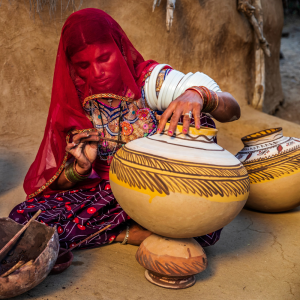
Travel has a subtle way of dissolving the idea of “other.” Shared experiences, small kindnesses, and familiar emotions in unfamiliar places highlight how much people already have in common.
When you share meals in rural Sri Lanka or a Rajasthani village, initial hesitation gives way quickly. Conversation is with signs not laguage. Laughter appears. What stays with you isn’t the novelty of the setting, but the memory of connection—formed far from home, yet entirely recognisable.
Choosing the Lesser Known 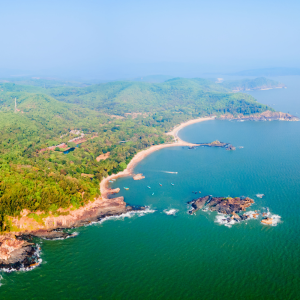
Choosing lesser-known destinations isn’t about novelty. It’s about attention. These places ask more of you—curiosity, patience, and openness—and in return, they offer depth and authenticity.
Gokarna is a beautiful destination beyond the obvious. It operates at a different pace from India’s more commercial beach destinations. There is less performance and fewer distractions. Days follow natural rhythms rather than nightlife or schedules, allowing you to slow down and engage with the landscape without competing for it.
You aren’t collecting destinations. You’re forming relationships with places. And you’re reminded that travel isn’t about being everywhere—it’s about being fully somewhere.
Straight to the heart……
People don’t travel for the same reasons at every stage of life—and they shouldn’t have to. What matters isn’t justification. It’s outcome: clarity, connection, renewal, and perspective.
At Sacred Dot, we design journeys that respect this. Travel shaped around your pace, your purpose, and your relationship with the world. Because loving travel, ultimately, begins with understanding yourself.