There are destinations that are visited for one defining experience. Rajasthan is celebrated for its palaces, Kerala for its backwaters, and Goa for its beaches. Madhya Pradesh is different. It is a destination that quietly brings together many of India’s greatest stories into a single journey.
Here, the dawn may begin with the alarm call of a spotted deer echoing through a tiger reserve, continue beneath intricately carved temples that have survived for a thousand years, pause beside a sacred river where pilgrims have gathered for centuries, and end in the home of a master weaver whose craft has been passed from one generation to the next.
Often overlooked by first-time visitors to India, Madhya Pradesh rewards those who choose to venture beyond the obvious. It is a destination of remarkable contrasts—where UNESCO World Heritage Sites stand alongside thriving wildlife reserves, where royal forts overlook peaceful rivers, and where living traditions remain an integral part of everyday life rather than staged attractions.
For travellers seeking experiences with depth, authenticity and a genuine sense of discovery, there are few places more rewarding.
Into the Wild 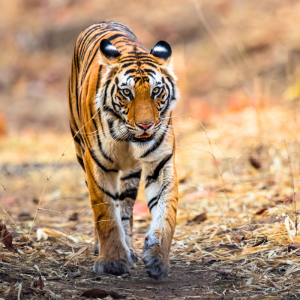
Few regions in India offer such an extraordinary concentration of wildlife experiences. Madhya Pradesh is home to some of the country’s most celebrated national parks, each with its own distinct personality, landscapes and wildlife.
Bandhavgarh National Park has earned a reputation as one of the finest places in India to observe the elusive Bengal tiger. Dense forests, open meadows and dramatic sandstone cliffs create an unforgettable backdrop, while the ancient Bandhavgarh Fort, perched high above the forest, reminds visitors that history and wilderness have coexisted here for centuries.
Further south lies Kanha National Park, widely regarded as one of India’s most beautiful protected forests. Its rolling grasslands and towering sal forests inspired Rudyard Kipling’s The Jungle Book, and today it continues to support thriving populations of tigers, leopards, wild dogs, barasingha and over 300 species of birds. Conservation here is not simply a success story—it has become a model for wildlife management across India.
Pench National Park, straddling the borders of Madhya Pradesh and Maharashtra, offers a different safari experience. Its teak forests and open terrain often provide exceptional wildlife sightings, while Satpura National Park introduces a slower, more immersive style of exploration. One of the few reserves in India where guided walking safaris and canoe safaris are permitted in designated areas, Satpura allows travellers to experience the forest from an entirely different perspective.
Equally compelling is Panna National Park. Once facing the complete loss of its tiger population, Panna is now recognised as one of India’s most remarkable conservation success stories. Through carefully managed reintroduction programmes, the reserve has once again become a thriving habitat for tigers, leopards, gharials and an extraordinary diversity of birdlife. Panna is also a great place to stay and also visit Khajuraho, ensuring a complete cultural and wildlife immersion.
Adding another fascinating chapter to the state’s wildlife story is Kuno National Park, now internationally recognised for India’s ambitious cheetah reintroduction programme. While the project continues to evolve, Kuno has become a symbol of conservation, scientific collaboration and hope for the future of one of the world’s most endangered big cats. The park doesn’t yet have great accommodation options
Luxury travellers are equally well served. Exceptional safari lodges such as Oberoi Vindhyavilas, The Untamed Traveling Camp, Samode Safari Lodge near Bandhavgarh, Banjaar Tola, A Taj Safari, Singinawa Jungle Lodge, in Kanha, Reni Pani Jungle Lodge in Satpura, Sari at Toria in Panna and carefully curated boutique wilderness camps elevate the safari experience beyond wildlife viewing. Expert naturalists, conservation-led excursions, private game drives and refined hospitality ensure that every day in the forest is as comfortable as it is memorable.
Kingdoms in Stone 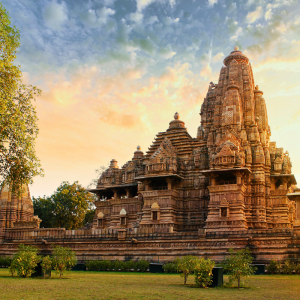
Long before modern India took shape, Madhya Pradesh stood at the crossroads of powerful kingdoms, visionary rulers and remarkable artistic achievement. Their legacy survives today in some of India’s most captivating monuments.
Khajuraho, a designated UNESCO World Heritage Site, its temples are celebrated worldwide for their extraordinary sculptures is a good place to begin. The true significance of the temples extends far beyond their famous carvings. Built by the Chandela dynasty between the 10th and 12th centuries, they represent an astonishing synthesis of architecture, philosophy and craftsmanship, celebrating every aspect of human existence with remarkable sophistication. These temples provide a history of the time etched in stone. The Oberoi Rajgarh Palace is the luxury option for visitors, those looking for a great location stay at the Lalit Temple View – which as the name suggest has views of the temples.
Further north, Gwalior Fort dominates the landscape with imposing sandstone walls that have witnessed centuries of conflict, royal patronage and cultural flourishing. Often described as the ‘Gibraltar of India’, it remains one of the country’s finest hill forts, housing magnificent palaces, intricately carved Jain monuments, a famous private school and centuries of history within its walls. The fabulous Taj Usha Kiran Palace is a unique refurbished palace hotel for those looking for a grand stay and the Neemrana Deo Bagh a 17th century garden hotel, offers its guests a contemporary stay enveloped in an ancient building.
In western Madhya Pradesh, Mandu tells an altogether different story. Often referred to as the City of Joy, its palaces, pavilions and pleasure gardens evoke an era of romance, music and refined courtly life. The graceful Jahaz Mahal, appearing to float between two lakes during the monsoon, remains one of India’s most iconic examples of Afghan architecture.
Maheshwar offers a more intimate encounter with history. Set along the banks of the sacred Narmada River, the town flourished under the enlightened rule of Queen Ahilyabai Holkar, whose legacy continues to shape its character today. Elegant ghats, beautifully restored temples and the imposing Ahilya Fort create one of India’s most atmospheric heritage settings.
A stay at Ahilya Fort transforms a visit into something far more personal. Once the royal residence of the Holkar family, it remains one of India’s most charming heritage hotels, combining understated luxury with exceptional hospitality and direct access to the rhythms of life along the Narmada.
Sacred Landscapes 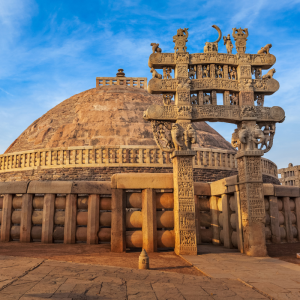
Spirituality in Madhya Pradesh is not confined to temples. It is woven into rivers, cities, traditions and everyday life.
Few places carry the spiritual significance of Ujjain. One of Hinduism’s seven sacred cities, it has drawn pilgrims for thousands of years and hosts the spectacular Simhastha Kumbh Mela every twelve years. At its heart stands the revered Mahakaleshwar Temple, one of the twelve sacred Jyotirlingas dedicated to Lord Shiva. The early morning Bhasma Aarti, an ancient ritual unlike any other, remains one of India’s most profound spiritual experiences.
Further along the sacred Narmada lies Omkareshwar, another Jyotirlinga and an island whose natural form is said to resemble the sacred symbol ‘Om’. Pilgrims complete the island’s parikrama while the gentle flow of the river lends the town an atmosphere of quiet contemplation.
In contrast, Sanchi offers a different expression of faith. The Great Stupa, another UNESCO World Heritage Site, stands as one of Buddhism’s most important monuments, preserving the teachings of Emperor Ashoka and reflecting centuries of artistic and spiritual evolution. Its elegant gateways continue to tell stories carved more than two millennia ago.
Bhopal adds another layer to this remarkable spiritual mosaic through the majestic Taj-ul-Masajid, recognised as one of the largest mosques in India. Its soaring pink façade, elegant domes and expansive courtyard reflect the city’s rich Islamic heritage and the patronage of its visionary Begums.
Throughout these sacred landscapes, travellers discover that spirituality in Madhya Pradesh is not simply observed—it is lived.
Where India Began 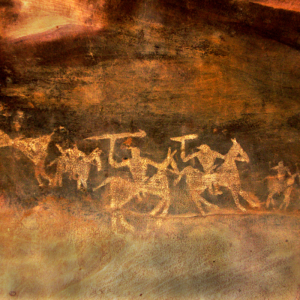
Long before kingdoms rose and temples were built, people gathered beneath the sandstone shelters of Bhimbetka.
Just an hour away from Bhopal, hidden among the Vindhya Hills, the Bhimbetka Rock Shelters preserve one of humanity’s oldest artistic legacies. Recognised as a UNESCO World Heritage Site, these caves contain thousands of paintings created over many millennia, depicting hunting scenes, ceremonies, dancing figures and everyday life.
Walking through Bhimbetka is unlike visiting a museum. The paintings remain where they were first created, protected by natural rock formations that have sheltered generations of artists for thousands of years.
Few places offer such a direct connection to humanity’s earliest storytellers. It is a reminder that India’s cultural journey began long before written history, and that some of its oldest chapters remain remarkably well preserved in the forests of Madhya Pradesh. The Jehan Numa Palace offers luxury accommodation replete with regal services, Taj Lakefront and the Radisson hotel cater to visitors looking for leisure in more modern stays.
Living Traditions 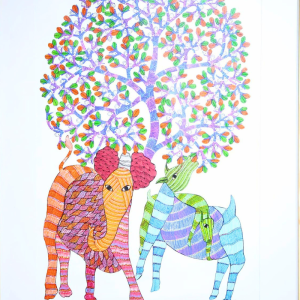
Some of Madhya Pradesh’s greatest treasures are not monuments at all. They are traditions that continue to thrive through the hands of artisans, weavers and tribal communities.
Maheshwar is perhaps the state’s finest example. The distinctive Maheshwari sari, known for its elegant borders and lightweight weave, continues to be produced on traditional wooden looms throughout the town. The rhythmic sound of weaving echoes through narrow streets where families have practised the craft for generations.
Visitors who spend time with local artisans gain far more than a beautiful textile. They witness a living heritage sustained through patience, skill and remarkable attention to detail.
Chanderi offers another extraordinary weaving tradition. Its delicate silk and cotton fabrics have adorned royalty for centuries, and today many workshops continue to produce textiles using techniques refined over generations.
The forests and villages of Madhya Pradesh are also home to remarkable tribal communities whose artistic traditions have gained international recognition. Gond art, with its intricate patterns inspired by nature and folklore, has evolved from village walls to contemporary galleries while retaining its distinctive identity.
In selected regions, respectful interactions with Bhil and Baiga communities provide meaningful insight into indigenous traditions, music, storytelling and sustainable relationships with the natural world. These experiences are most rewarding when thoughtfully curated, allowing travellers to engage with local communities in ways that are both authentic and mutually respectful.
A Taste of Madhya Pradesh 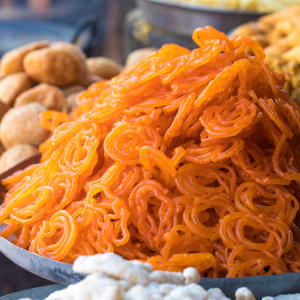
Food in Madhya Pradesh reflects the diversity of its people and landscapes.
Indore has earned a reputation as one of India’s great culinary cities. Its vibrant street food culture comes alive each evening, with dishes such as poha, jalebi, sabudana khichdi, bhutte ka kees and an astonishing variety of regional snacks drawing locals and visitors alike.
Bhopal presents a very different culinary identity, shaped by centuries of Nawabi influence. Rich aromatic curries, kebabs, slow-cooked meats and fragrant rice dishes reflect a heritage where Central Asian influences blended beautifully with local traditions.
Across the Malwa and Nimar regions, seasonal produce, lentils, grains and locally grown spices create cuisine that is both comforting and distinctive. Whether enjoyed in a bustling city market or within the elegant surroundings of a heritage hotel, every meal tells another story of the state.
More Than a Destination
Madhya Pradesh is often introduced as the Heart of India because of its geographical location. Yet geography alone cannot explain its appeal.
It is the heart of India because it brings together so many of the country’s defining experiences within one remarkable destination. Ancient civilisations, magnificent wildlife, sacred rivers, extraordinary architecture, living craftsmanship and genuine hospitality coexist here with remarkable harmony.
For travellers prepared to look beyond the familiar, Madhya Pradesh offers something increasingly rare in modern travel: the opportunity to slow down, connect deeply and discover an India that still feels wonderfully authentic.
It is not a destination that seeks attention. It simply rewards those who choose to spend time discovering its many stories.